


Romaine Lettuce Nutrition: Crisp, Nutrient-Packed, and Versatile
Romaine lettuce is the go-to green for salads, wraps, and sandwiches — especially when you’re looking for a crisp texture and a fresh, mild taste. But there’s more to romaine than meets the eye (or fork). In fact, you might be surprised by how many nutrients are tucked away in those refreshingly simple green leaves.
Now seems like a great time to take a closer look at the nutritional benefits of romaine and explore how to make the most of it in your kitchen.
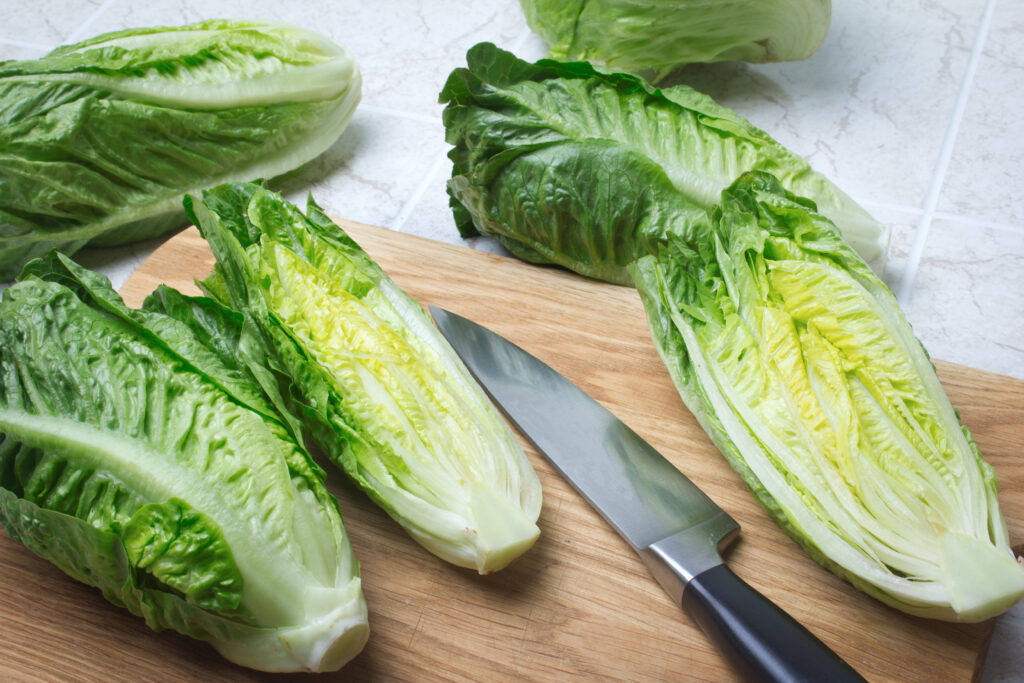
What Vitamins Does Romaine Have?
Romaine lettuce is naturally low in calories yet high in some essential vitamins and minerals. Its water content helps keep you hydrated, while its crisp, leafy structure delivers an impressive amount of vitamins A and K (more on those in a moment). You’ll also find smaller but respectable quantities of vitamin C, folate, and potassium in each leaf, which is a nice added bonus.
Though “superfood” is a term often reserved for the likes of kale or spinach, romaine deserves its own gold star for its solid nutritional profile. And, in case you weren’t aware, it’s also a highly versatile green that works well in dishes beyond your basic side salad or wrap.
What is the Nutritional Difference Between Romaine and Iceberg Lettuce?
If you’re used to seeing iceberg as the mainstay of many salads, you might wonder how romaine stacks up. While iceberg lettuce is known for its light colour, mild taste, and watery crunch, romaine edges it out in several nutritional categories.
Romaine generally contains higher amounts of vitamins A, K, and C compared to iceberg. You’ll also typically get more fibre, folate, and other minerals from romaine than from iceberg.
That doesn’t mean iceberg has no value, of course — its mild flavour can be ideal for certain dishes — but if you’re aiming for more nutrients and a deeper taste, romaine is a great option.
Does Romaine Have Fibre?
It sure does! While romaine isn’t as fibre-dense as some leafy greens (think kale or collard greens), it still offers a small amount of dietary fibre. Fibre is important for healthy digestion and helps you feel fuller longer, which can be beneficial if you’re looking to manage portion sizes.
Even though romaine’s fibre content might be modest, it’s enough to make a difference when combined with other wholesome foods — like adding beans, nuts, or whole grains to your salad for an extra fibre boost.
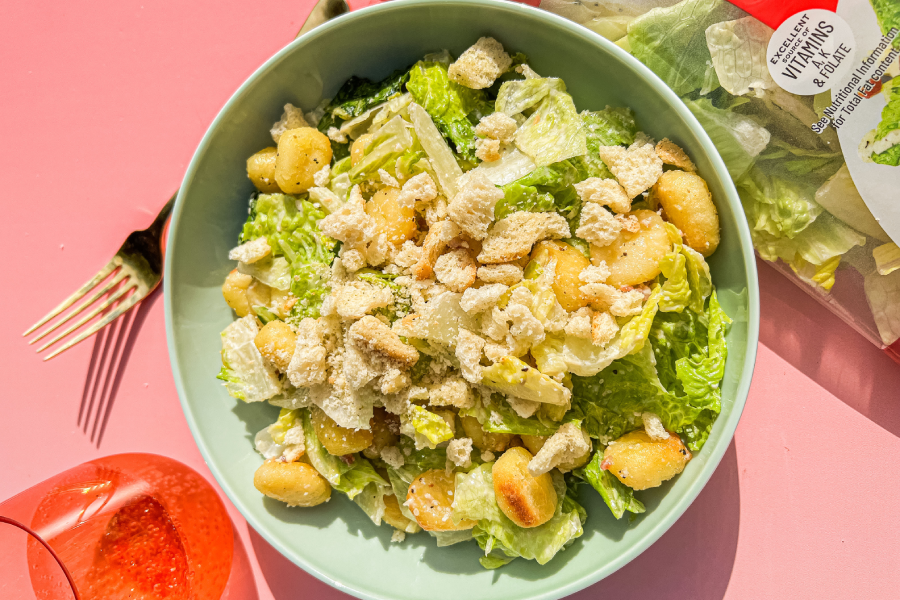
What is the Nutrition of Romaine Lettuce Compared to Arugula?
Romaine and arugula are two very different greens that should both have a place in your fridge. Smaller and more tender, arugula leaves offer a peppery kick and provide more vitamin C and calcium per serving. Meanwhile, romaine has more vitamin A and tends to be milder in flavour, making it perfect for those who want a less pronounced “green” taste in their dishes.
Here’s an idea: If you enjoy the spiciness of arugula but also love the crunch of romaine, consider mixing the two for a salad that offers the best of both worlds!
How to Use Romaine With Your Meals
- Salads: Yep, the most traditional use for romaine, especially in a Classic Caesar Salad with chopped romaine. Try pairing it with grilled chicken, tomatoes, cucumbers, and a light dressing for a classic salad. Or go an entirely different direction with this Pecan, Chicken, Romaine, and Apple Salad recipe.
- Wraps and Cups: Romaine’s large, sturdy leaves can act as a low-carb “wrap” instead of a tortilla or flatbread. Fill them with taco meat, seasoned beans, or grilled veggies for a fresh twist, or use them as cups for your teriyaki’d protein of choice.
- Grilled Romaine: Oh yes, you can grill lettuce! Don’t be shy; it’s super easy. Lightly brush romaine halves with olive oil and lay them on the grill just until the edges char slightly to bring out a smoky flavour and add some unique character to your dish (and impress your guests with such bold culinary innovations in the process).
- Smoothies or Juices: Though less common than blending spinach or kale, romaine can also be tossed into a smoothie for an extra nutrient boost without overpowering the flavour.
(Psst… For more inspiration, check out our always-expanding recipes page.)
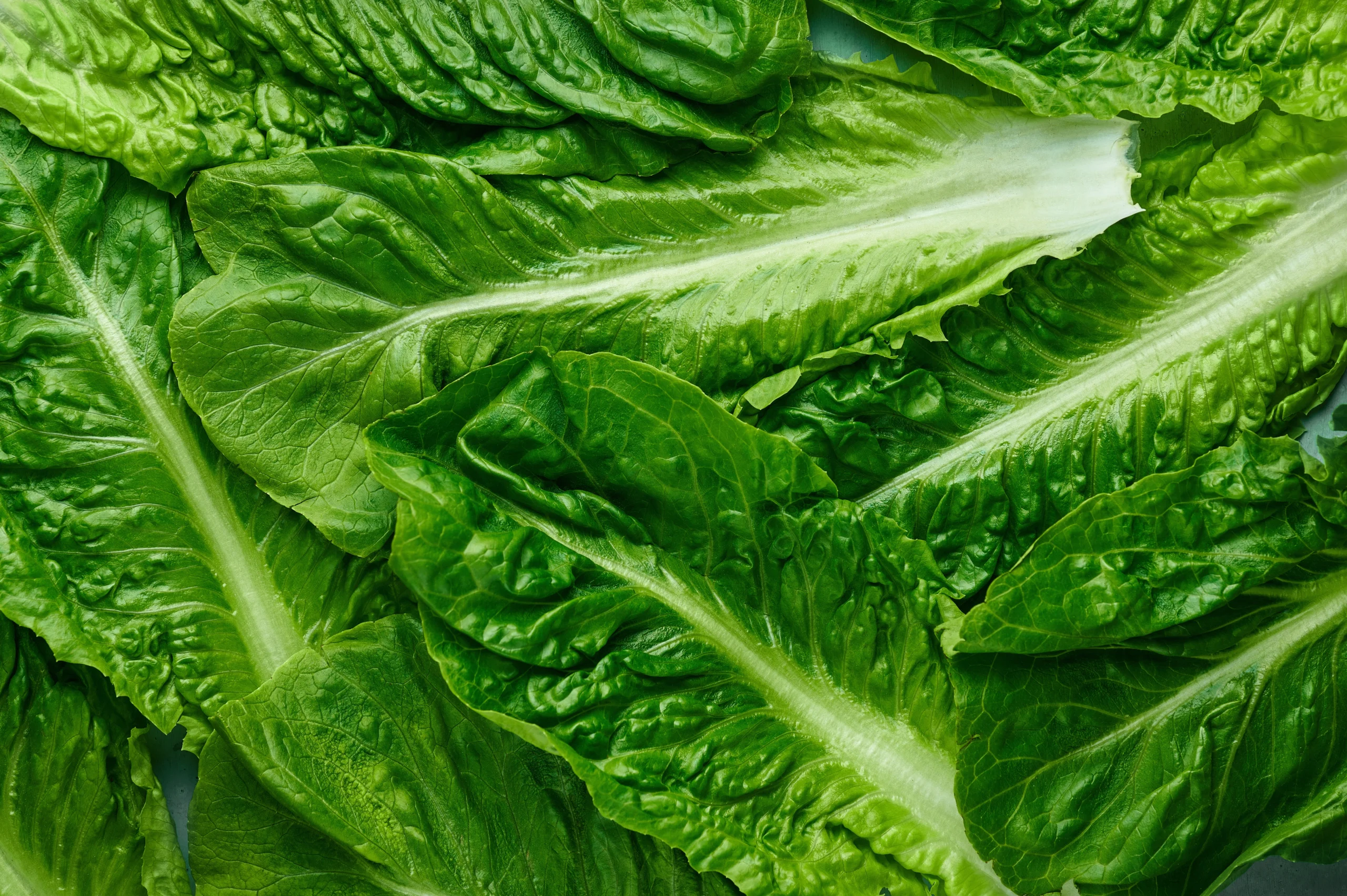
Romaine Calm and Carry On
Romaine lettuce may look humble, but it packs a respectable nutrient punch, giving you vitamins A, K, and even a bit of fibre in each crunchy bite. Plus, its mild flavour makes it incredibly flexible in your kitchen, whether you’re adding it to your favourite salad, using it as a wrap, or even tossing it on the grill for a fun (and delicious) change of pace.
So, the next time you scan the produce aisle, don’t leaf without romaine! And if you want to cut down on your prep and save some time and effort, Taylor Farms has you covered with chopped romaine in our Caesar Chopped Salad kit, our Pizzeria Crunch Chopped Salad kit, the seasonal Mango Lemonade Chopped Salad kit, and many more convenient salad kits.


