Fibre is a crucial component of a healthy diet. It plays a vital role in digestion, heart health and even weight management. Yet, many of us struggle to get enough fibre daily.
Here’s a tip: if you want to boost your fibre intake, leafy greens are a great place to start. While lettuce alone might not be enough to meet your daily fibre needs, it can certainly contribute to your overall intake.
Different lettuce varieties offer more fibre than you might expect, making them a valuable addition to a fibre-rich diet. Let’s explore the fibre content of various types of lettuce and leafy greens, along with tips for creating delicious salads that can help you reach your fibre goals.
How Much Fibre Is in Romaine Lettuce?
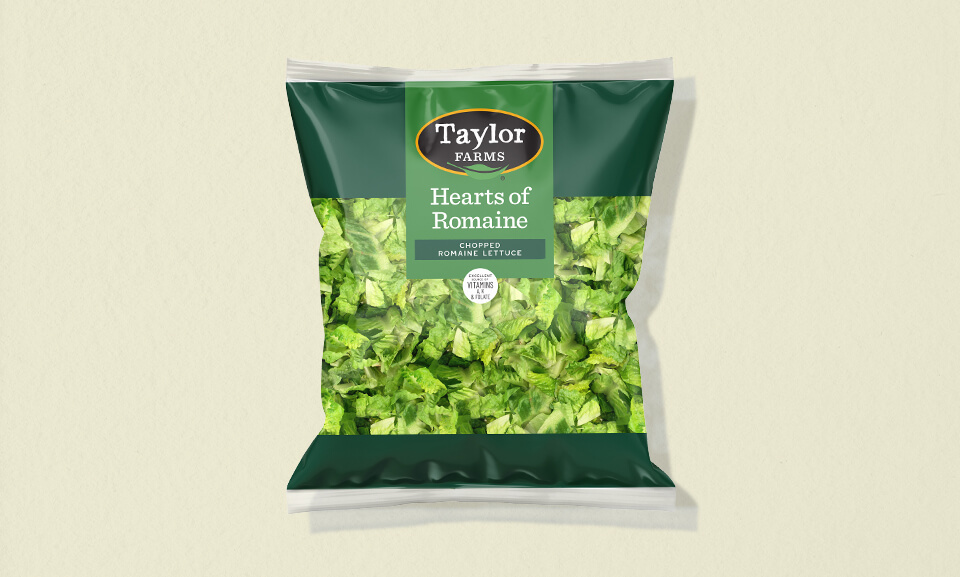
Romaine offers a big step up in the fibre department, providing around 2 grams of fibre per 250 mL. Known for its crunchy texture and slightly bitter flavour, romaine is a beloved staple in Caesar salads but works well in almost any mix. Romaine is always a solid choice thanks to its higher fibre content and rich nutritional profile, including vitamins A and K. Plus, it’s versatile enough to use in everything from salads to sandwiches and even lettuce wraps.
How Much Fibre Is in Green Leaf Lettuce?
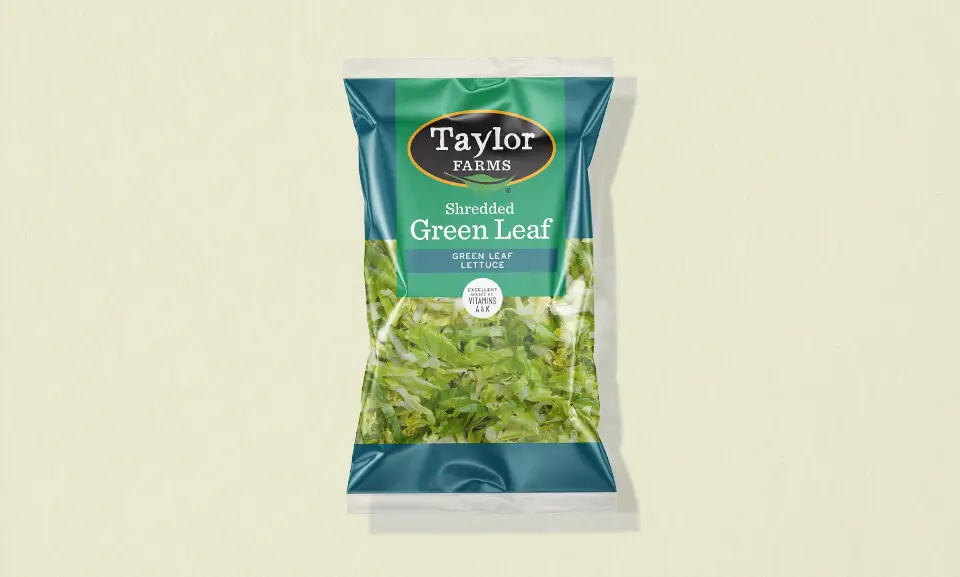
Green leaf lettuce brings a tender, mild flavour to the table — and about 1.3 grams of fibre per 250 mL. As an added bonus, its ruffled leaves are great at holding onto dressing, ensuring every bite is flavourful and satisfying. It’s a gentle green that plays well with others in a mixed salad, so feel free to get creative!
How Much Fibre Is in Spring Mix?
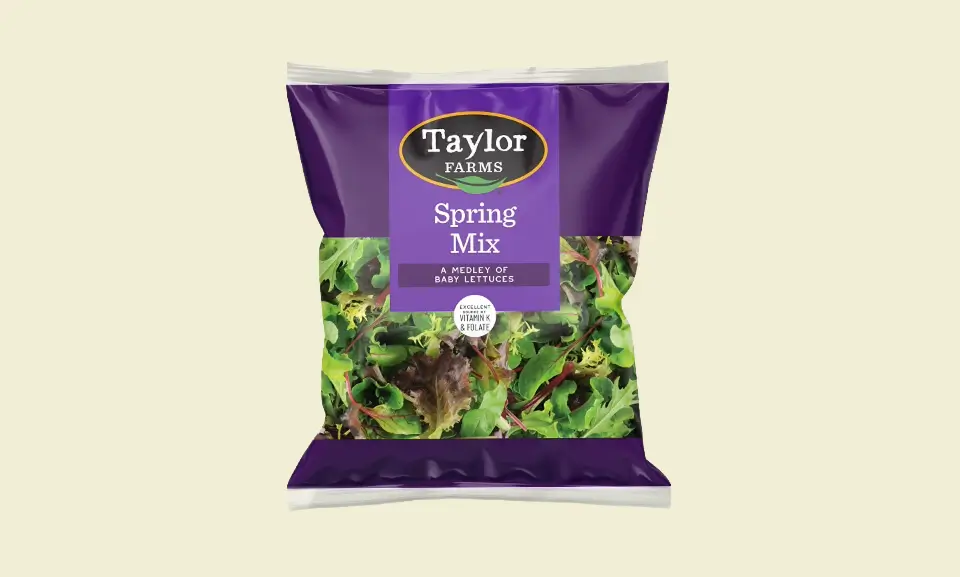
Spring mix, a delicate blend of baby lettuces and greens, typically contains around 1.0–1.5 grams of fibre per serving. The mix of greens, which often includes radicchio, arugula and red leaf lettuce, not only adds a range of flavours and textures but also boosts the overall fibre content. This appealing mix is a fantastic way to diversify your salads, add softer textures and increase your fibre intake all at once — not to mention the lovely aesthetics of the different leaves!
How Much Fibre Is in Green Butter Lettuce and Red Leaf Lettuce?
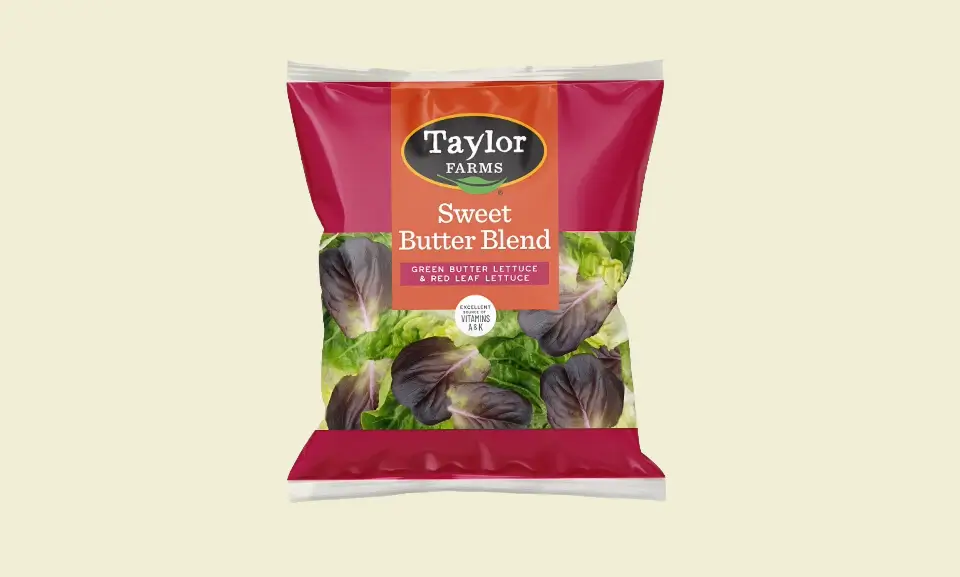
Green butter lettuce, known for its soft, buttery texture, provides about 1 gram of fibre per 250 mL. While it’s on the lower end of the fibre scale, its delicate leaves and mild, sweet flavour make it an excellent base for more fibre-rich toppings and other greens.
Red leaf lettuce is slightly higher in fibre than its green counterpart, offering about 1.2 grams of fibre per 250 mL. With its vibrant colour and tender texture, red leaf lettuce adds visual appeal and nutritional value to your salads — especially when paired with its green cousin.
How Much Fibre Is in Arugula?
Arugula’s 0.5 grams per 250 mL might not win the gold medal in a fibre race, but it sure tops the podium in flavour. Its peppery bite adds a zesty kick to any dish — an easy way to spice up your greens. While it’s not as fibre-rich as other lettuces, arugula’s bold flavour can elevate any salad, making it a great addition to other fibre-filled blends.
How Much Fibre Is in Spinach?
Spinach is a nutrient powerhouse that offers about 0.7 grams of fibre per 250 mL (raw). While it may seem modest, spinach is often consumed in larger quantities, which can easily boost your fibre intake. Plus, it’s incredibly versatile — toss it into salads, smoothies or sauté it as a side dish
How Much Fibre Is in Cabbage?
Cabbage, whether red or green, is a fantastic source of fibre. Although it’s more of a cruciferous vegetable than a leafy green, 250 mL of chopped raw cabbage provides about 2 grams of fibre, making it an excellent addition to any salad for an extra crunch and nutritional boost. Its firm texture also holds up well in coleslaws and stir-fries!
How Much Fibre Is in Kale?
Kale is a fibre superstar, offering about 1.5 grams of fibre per 250 mL. Its hearty leaves make it perfect for adding to salads, especially when paired with a tangy dressing that complements its slightly bitter flavour. Kale can also be massaged with olive oil to soften its texture, making it even more enjoyable to eat raw.
How Much Fibre Is in Iceberg Lettuce?
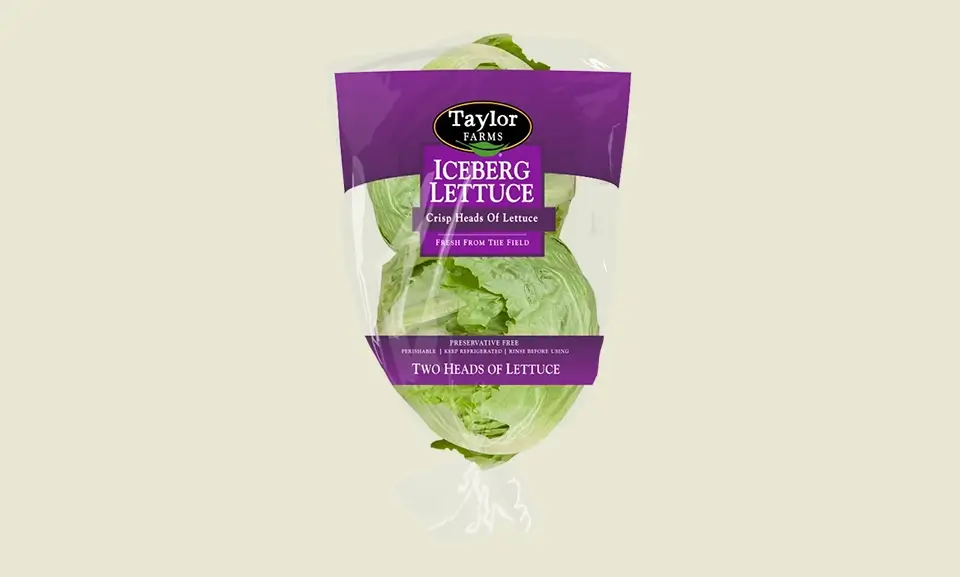
Iceberg lettuce is often found in salads and as a crunchy topping on sandwiches, making it one of the most common varieties. While it’s known more for its cool crunch than its nutritional value, iceberg still deserves a spot on your plate. With about 1 gram of fibre per 250 mL, iceberg lettuce may not be the most fibre-rich option, but its crisp texture and mild flavour make it a popular choice. Pair it with more fibrous greens to create a perfectly balanced and refreshing salad.
Creating Fibre-Rich Salad Blends
To really maximise your fibre intake, try mixing together different types of lettuces and leafy greens. For example, a harmonious blend of romaine, kale and red leaf lettuce can give you a fibre boost while providing a variety of textures, colours and flavours. Adding shredded cabbage or spinach to your salad base can instantly take the fibre content even further, making your meal even more satisfying and nutrient-dense! The possibilities are truly endless, so don’t be afraid to mix things up as much as you’d like!
Other Fibre-Rich Veggies to Include in Salads
Don’t stop with just the greens! Add these fibre-packed veggies to your salad for even more nutritional goodness:
Carrots: With about 3.6 grams of fibre per 250 mL, shredded or sliced carrots add a sweet, crunchy element to your salad.
Broccoli: Bringing in about 2.4 grams of fibre per 250 mL, broccoli florets are a great way to add bulk and nutrients.
Bell peppers: These colourful gems offer about 2.5 grams of fibre per 250 mL, adding a sweet, juicy flavour that pairs perfectly with any greens.
Avocado: Yes, we know. It’s technically a fruit, but avocado packs a whopping 10 grams of fibre per 250 mL, plus a creamy texture that takes your salad to the next level. So, we’re including it. Consider avocados akin to those cute videos you sometimes see of animals like baby goats growing up with dogs and thinking they’re dogs. In other words, avocado may not be a veggie, but it often thinks it is, and we’re fine with that.
Lettuce might not always be the first thing that comes to mind when you think of fibre-rich foods, but with just a little planning, it can play a massive role in boosting your daily intake. Simply mix and match different greens and veggies to keep your meals exciting and balanced. Whether you’re a fan of romaine, kale or a tender spring mix, there’s a fibre-rich salad blend out there waiting to become your next favourite!
There's more to romaine than meets the fork. Discover the nutritional benefits of this crisp, versatile green — plus how it stacks up against iceberg and arugula, and easy ways to enjoy it.
There's a ton of nutrition packed into those vibrant green leaves. Explore spinach's vitamins, minerals, and fibre — plus how much to eat and easy ways to enjoy it raw or cooked.